Level 3 Sustainability in Fashion (RQF)

- SALE Savings End Midnight Friday 30th October
- SALE Savings End Midnight Friday 30th October
Level 3 Sustainability in Fashion (RQF)
Key Points
- Learn skills and knowledge for incorporating sustainability into fashion
- Start and study at any time
- Ideal for careers in sustainability and fashion
- 1 Unit
- 26 Guided Learning Hours
About your Qualification
The fashion industry is the second most polluting industry in the world (the top being the oil industry) this may be a fact you’ve heard before or you may be surprised by this. The way in which we manufacture fabrics and garments is a large part of this issue, another is the amount of garments that end up in landfill.
It is important to think about sustainable and ethical fashion alongside each other considering the environmental and social issues that the industry faces. There are many different types of sustainable fashion practices within the industry. Some examples are; the development of sustainable fabrics, recycling fabrics and garments and up-cycling using unused/damaged garments or fabrics. Overall sustainable fashion practices are ways in which creating garments reduces the environmental impact on the planet. This can be in terms of waste, manufacturing of fabric, dying techniques, the production of garments etc.
This course provides an introduction to the ways that materials can be reused for sustainable practices, and the use of sustainable initiatives in recycling clothing and enables learners to explore design ideas for an upcycled garment. The course also includes information about sustainable techniques that can be used to reuse materials and to meet a design brief.
Getting Started
learndirect is the UK’s leading online course provider. Our online courses and qualifications give you the flexibility to engage with your studies whenever suits you best.
Whilst studying the Introduction to Sustainable Fashion Practices course, you’ll gain essential skills and knowledge regarding sustainable fashion.
The benefit of online learning means that you can plan your studies around your existing commitments. So, you’re able to progress with your learning in a way that works for you, without the stressful balancing act. With no classes to attend or a timetable to stick to, you’re in control of the pace and place of your learning.
What’s more, we have dedicated and experienced online tutors to support you throughout your qualification. As well as all the material being readily available as soon as you enrol so you’re able to start right away.
Modules
Unit 1 | Introduction to Sustainable Fashion Practices
On completion of this unit, you will be able to:
- Understand the ways materials can be reused for sustainable practices
Demonstrate the use of sustainable initiatives in recycling clothing and develop design ideas for an upcycled garment.
Entry Requirements
There are no formal entry requirements for this qualification but learners must be aged 16 or over.
Minimum Age restriction
16
Average completion timeframe
You have 24 months to complete your course.
Assessment requirements
You will be assessed through a mixture of short and long-answer written assessments/assignments.
Certification Timeframe
Learners can expect their certification within 6 months of completing the course, following the (EQA) External Quality Assurance of assessment.
Course Fees
All course fees, inclusive of all payment plans including our Premium Credit Limited option, must be settled before certification can be ordered.
*You will have access to the course for 24 months.
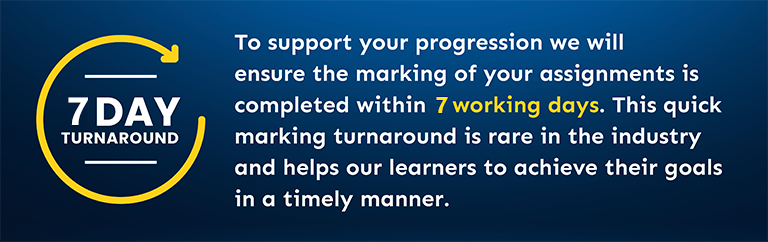
You will be assessed through a mixture of short and long-answer written assessments/assignments. Learners will base their assessment around existing garments, take photos and use them to collage and develop design ideas for an upcycled garment.
When are you assessed?
As you’re in control of how you learn, you’re also in charge of when you complete your assessments.
This enables you to take as long as you need to thoroughly understand the unit before completing any assessments.
TQUK
Upon successful completion of this qualification, you will be awarded the Level 3 Introduction to Sustainable Fashion Practices (Unit Reference Number: J/650/4401)
Established in 2013, Training Qualifications UK are one of the most forward-thinking and agile Awarding Organisations in the UK. They work closely with both employers and providers to ensure learners receive qualifications that have impact in the workplace and help learners succeed in all walks of life.
Learners can progress onto the Level 3 Professional Diploma in Fashion Design, higher level study, practical occupational training or a career in fashion sustainability.
Frequently Asked Questions
- SALE Savings End Midnight Friday 30th October
- SALE Savings End Midnight Friday 30th October
Level 3 Sustainability in Fashion (RQF)
Key Points
- Learn skills and knowledge for incorporating sustainability into fashion
- Start and study at any time
- Ideal for careers in sustainability and fashion
- 1 Unit
- 26 Guided Learning Hours
About your Qualification
The fashion industry is the second most polluting industry in the world (the top being the oil industry) this may be a fact you’ve heard before or you may be surprised by this. The way in which we manufacture fabrics and garments is a large part of this issue, another is the amount of garments that end up in landfill.
It is important to think about sustainable and ethical fashion alongside each other considering the environmental and social issues that the industry faces. There are many different types of sustainable fashion practices within the industry. Some examples are; the development of sustainable fabrics, recycling fabrics and garments and up-cycling using unused/damaged garments or fabrics. Overall sustainable fashion practices are ways in which creating garments reduces the environmental impact on the planet. This can be in terms of waste, manufacturing of fabric, dying techniques, the production of garments etc.
This course provides an introduction to the ways that materials can be reused for sustainable practices, and the use of sustainable initiatives in recycling clothing and enables learners to explore design ideas for an upcycled garment. The course also includes information about sustainable techniques that can be used to reuse materials and to meet a design brief.
Getting Started
learndirect is the UK’s leading online course provider. Our online courses and qualifications give you the flexibility to engage with your studies whenever suits you best.
Whilst studying the Introduction to Sustainable Fashion Practices course, you’ll gain essential skills and knowledge regarding sustainable fashion.
The benefit of online learning means that you can plan your studies around your existing commitments. So, you’re able to progress with your learning in a way that works for you, without the stressful balancing act. With no classes to attend or a timetable to stick to, you’re in control of the pace and place of your learning.
What’s more, we have dedicated and experienced online tutors to support you throughout your qualification. As well as all the material being readily available as soon as you enrol so you’re able to start right away.
Modules
Unit 1 | Introduction to Sustainable Fashion Practices
On completion of this unit, you will be able to:
- Understand the ways materials can be reused for sustainable practices
Demonstrate the use of sustainable initiatives in recycling clothing and develop design ideas for an upcycled garment.
Entry Requirements
There are no formal entry requirements for this qualification but learners must be aged 16 or over.
Minimum Age restriction
16
Average completion timeframe
You have 24 months to complete your course.
Assessment requirements
You will be assessed through a mixture of short and long-answer written assessments/assignments.
Certification Timeframe
Learners can expect their certification within 6 months of completing the course, following the (EQA) External Quality Assurance of assessment.
Course Fees
All course fees, inclusive of all payment plans including our Premium Credit Limited option, must be settled before certification can be ordered.
*You will have access to the course for 24 months.

Assessment
You will be assessed through a mixture of short and long-answer written assessments/assignments. Learners will base their assessment around existing garments, take photos and use them to collage and develop design ideas for an upcycled garment.
When are you assessed?
As you’re in control of how you learn, you’re also in charge of when you complete your assessments.
This enables you to take as long as you need to thoroughly understand the unit before completing any assessments.
Qualifications
TQUK
Upon successful completion of this qualification, you will be awarded the Level 3 Introduction to Sustainable Fashion Practices (Unit Reference Number: J/650/4401)
Established in 2013, Training Qualifications UK are one of the most forward-thinking and agile Awarding Organisations in the UK. They work closely with both employers and providers to ensure learners receive qualifications that have impact in the workplace and help learners succeed in all walks of life.
Learners can progress onto the Level 3 Professional Diploma in Fashion Design, higher level study, practical occupational training or a career in fashion sustainability.
Frequently Asked Questions
Course fee
25%
Course Fee |
|
|
With
25% off
|
£224.25 |

OFFER ENDS
Friday 30th of October
learning
learning hours
Rated by our learners
Rated Excellent by our learners
4.5 out of 5 TrustpilotBased on 32,740 Trustpilot reviews
Read all reviews →Take the next step in your learning journey
Course tips, career advice and exclusive offers, straight to your inbox. No spam, just guidance.
Accredited & trusted
Working with the UK's leading awarding bodies