
For anyone fascinated by the intricate inner workings of the human body, turning that passion into a full-time profession is an incredibly rewarding path. The study of how our physical structures are built and how they function together opens the door to a massive variety of industries in the UK. From clinical hospital wards to elite sports training centres, the demand for this specialised knowledge is always high.
If you are trying to figure out how to transition your interest in anatomy and physiology into a paycheck, it helps to understand the diverse options available across the country.
Exploring your career paths in the UK
When people start looking into this field, they often ask, “What can I do with an anatomy and physiology degree?” The truth is that this knowledge forms the backbone of numerous distinct professions.
Sports and exercise physiology
If you love fitness and performance, you might want to look into what jobs can you get if you study physiology. Sports physiologists work directly with athletes to analyse how their bodies respond to intense training, stress, and recovery. You might find yourself working for a professional football club or a UK sports institute, helping athletes optimise their movement and avoid injury. It is a thrilling career path because you get to see the direct results of your scientific knowledge reflected in athletic achievements.
Healthcare and clinical roles
For those drawn to a traditional medical environment, the clinical route is ideal for those wondering what careers can you get with anatomy training. Physiotherapists, osteopaths, and occupational therapists use their deep knowledge of body structures every single day to rehabilitate patients recovering from surgery, accidents, or illnesses. This path is perfect if you enjoy problem-solving and want a career where you can genuinely improve the daily quality of life for other people.

Surgical and specialised medical paths
If you are aiming for high-level clinical environments, you might wonder, is anatomy important for surgery? The answer is that it is absolutely vital. Surgeons, surgical assistants, and theatre nurses must know the exact location of every blood vessel, nerve, and muscle fibre before making a single incision. A tiny error can have major consequences, so exceptional structural knowledge is the ultimate safety tool in the operating theatre. Anyone who loves precision, works well under pressure, and wants to save lives would find this area deeply fulfilling.
Academic and lab research
You might also wonder where do anatomists typically work? Rather than treating patients directly, professional anatomists are usually found in universities, research institutes, and medical schools. Where do anatomists typically work in terms of daily duties? They spend their time teaching the next generation of doctors, researching diseases, or working alongside pathologists in specialised mortuary labs.
How much do anatomists make in the UK?
If you choose this academic or laboratory path, you might be curious about salary. Entry-level research associates and laboratory specialists typically start around £26,000 to £33,000 a year. As you gain experience and move into senior lecturer, university professor, or senior management roles, that figure can easily rise to between £45,000 and £70,000 a year. It is a fantastic option for anyone who loves deep research, quiet investigation, and academic discovery.
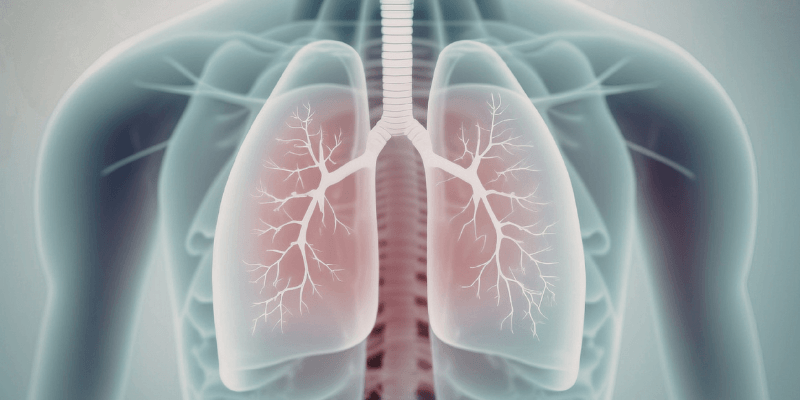
The ideal launchpad for higher-level study
It is important to remember that this specific advanced course with learndirect is a non-regulated certificate of achievement. It does not grant a formal vocational qualification or an official university degree on its own.
However, jumping straight into regulated medical or sports science training can be incredibly overwhelming. The volume of information you have to master is immense, and struggling with the foundational terminology can cause many students to fall behind.
This is exactly why taking an advanced human anatomy and physiology course in a flexible, home learning format is so advantageous. It provides you with the deep background knowledge required to excel later. You will cover complex topics like the Sliding Filament Theory of muscle contraction, the exact cranial nerve pathways, and the detailed mechanics of the heartbeat.
By familiarising yourself with these challenging topics early, you ensure that you will not feel lost when you eventually face formal, regulated exams. It gives you the confidence to look at the wide range of careers in anatomy and physiology and step forward toward the one that fits your goals perfectly.
Overall, starting with a comprehensive online course gives you the ultimate head start towards careers in anatomy and physiology. If you’re ready to dive in, click below now to view the online Anatomy and Physiology – Advanced course in more detail. Alternatively, you can discuss your options with our helpful team now by calling them on 01202 006 464 or contacting them online.