
Stepping beyond the absolute basics of human biology is an exciting move for any student, fitness professional, or aspiring healthcare worker. Once you understand how the body is generally put together, the natural next step is to explore how its complex systems coordinate on a much deeper level.
Taking an advanced approach allows you to look past simple definitions and start investigating the intricate chemical and mechanical processes that keep us alive. Keep reading to see what that entails.
What is advanced anatomy and physiology?
If you are looking to elevate your knowledge, you might be wondering, what is advanced anatomy and physiology? Essentially, it is an in-depth exploration of the human body that focuses heavily on complex cellular functions, specific nervous system pathways, and detailed organ mechanics.
While an introductory programme teaches you the names of the main bones and muscles, this higher-level study dives into how these components actually communicate. For instance, instead of just learning that muscles contract, you explore the exact chemical signals and cellular theories that make those movements happen. It provides a fascinating, comprehensive look at the body, making it an ideal choice for anyone wanting a thorough understanding before moving into formal medical or therapeutic fields.

Overcoming the challenges of higher-level study
When students look at a more detailed curriculum, a common question always comes up.
How hard is advanced anatomy and physiology?
There is no denying that upgrading your knowledge requires dedication, as you will be introducing yourself to university-level concepts. However, studying this topic through a flexible online format means you can break the information down into manageable pieces and learn at a pace that feels comfortable for you.
What is the hardest part of anatomy and physiology?
Many students find that the hardest part of anatomy and physiology is simply the volume of complex terminology and the microscopic processes, such as how our cells turn food into energy. By tackling these tough subjects in a non-regulated certificate of achievement course first, you remove the stress of rigid deadlines and high-pressure exams. You get to figure out how hard advanced anatomy and physiology is for your personal learning style, giving you a massive advantage before you ever enrol in a formal, regulated qualification.
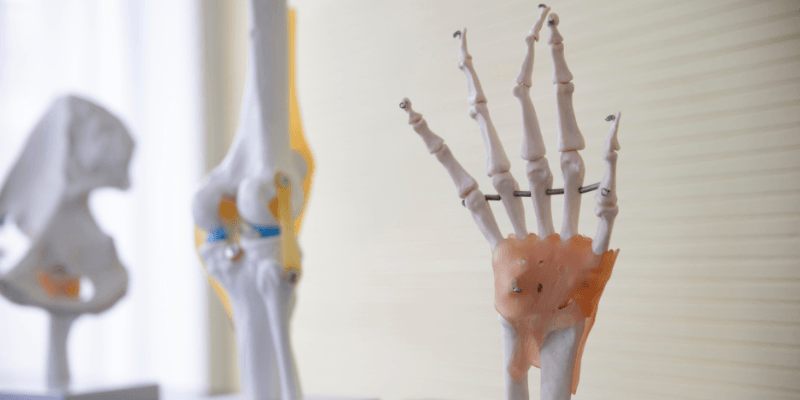
A closer look at the advanced curriculum
This specific human anatomy and physiology course is structured to guide you through some of the most complex structures in the human body. You will go far beyond basic diagrams to explore the hidden mechanics of life.
The modules cover advanced topics like the Sliding Filament Theory of muscle contraction, the exact passage of blood flow through the heart, and how the cardiac cycle relates directly to blood pressure. You will also spend significant time studying the brain and the spinal cord, including the twelve cranial nerves and the exact difference between a voluntary movement and an automatic reflex action.
Understanding the hardest part of anatomy and physiology, which is often this intricate nervous system mapping, becomes much easier when you can review the material as often as you need over a twenty-four-month period.
Your foundation for a future career
Even though this programme does not lead to an official qualification on its own, the knowledge you gain is incredibly valuable. It acts as the perfect preparation for future, regulated study in sports science, nursing, physiotherapy, or complementary therapies.
An advanced human anatomy and physiology course gives you the language of healthcare professionals. It ensures that when you do step into a regulated environment, you will already be familiar with the toughest concepts on the syllabus.
So, if you’re ready to stop asking “What is advanced anatomy and physiology?” and start experiencing it for yourself, taking this flexible online step is the smartest way to build your confidence and prepare for a rewarding career.
Click below now to view the online Anatomy and Physiology – Advanced course in more detail. Alternatively, you can discuss your options with our helpful team now by calling them on 01202 006 464 or contacting them online.