
27th March 26
We have all felt that instinctive urge to rub a sore shoulder or press our temples during a headache. It is a natural human response, but it leads to a common question: do massages actually work, or is it just a temporary relief?
The truth is that the benefits of massage therapy go far deeper than just a bit of relaxation. When you understand the physiological changes that happen under the skin, you begin to see why this ancient practice remains a cornerstone of holistic health.
How does massage work?
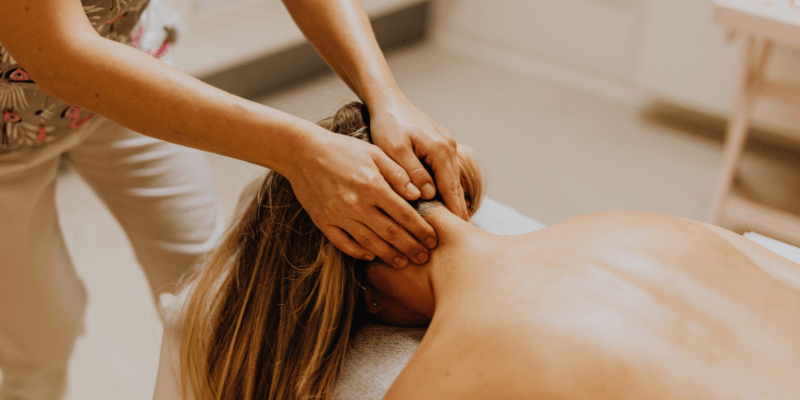
To understand how a therapist can change the way you feel, you first have to ask how does massage work on a biological level? When pressure is applied to the soft tissues, it stimulates blood flow and encourages the lymphatic system to flush out waste products.
Beyond the physical manipulation of muscle, massage impacts the nervous system. It helps shift the body from a state of high alert into a restorative state. This transition lowers heart rate and reduces cortisol levels, which is why people often leave a session feeling like a weight has been lifted. So, if you’ve ever wondered are massages good for you, the answer lies in this ability to reset the body’s internal stress response.
Exploring the benefits of massage therapy
The list of advantages is extensive. Many people seek out treatment for physical relief, but the full body massage benefits often include improved sleep quality and a clearer mind. By targeting specific muscle groups, a practitioner can improve flexibility and reduce the risk of injury.
For those dealing with more intense physical tension, the question is often is deep tissue massage good for you? While it can be more intense than a standard relaxation session, the deep tissue massage benefits include the breakdown of scar tissue and the release of chronic muscle knots. It is a highly effective way to manage long-term discomfort and restore mobility.
Finding the best type of massage for you
Because every body is different, the best type of massage depends entirely on your personal goals. You might be looking for pure relaxation, or perhaps you need something more clinical. At learndirect, there are various pathways to explore the different types of massage.
If you want to expand your knowledge, you can look into specific types of massage therapy through specialised courses.
These include:
- Holistic massage: Focuses on the whole person, balancing mind and body.
- Hot stone massage: Uses heated stones to deepen the relaxation of the muscles.
- Indian head massage: Targets the upper back, shoulders, and head to relieve tension.
- Massage for special needs: Adapts techniques for those with specific physical or sensory requirements.
- Remedial massage: Aims to treat specific injuries or muscular issues.
- Sports massage: Designed to help athletes recover and perform at their peak.
Start your journey with learndirect
You do not need to be a professional to start exploring the power of touch. Whether you want to learn how to massage for personal use, support a friend’s recovery, or build a foundation before taking regulated qualifications, our Massage course is the perfect starting point.
This course allows you to study the human body in detail, from the skeletal system to the intricacies of the nervous system. You will learn how to massage through a comprehensive curriculum that covers everything from Shiatsu to remedial techniques.
While this is a non-regulated certificate of achievement, it provides the essential knowledge required to understand the art of healing. You will gain the confidence to understand how to give a full body massage and even explore the logistics of setting up your own practice in the future.
If you are ready to dive into the world of anatomy and wellness, our learn how to massage course is waiting for you. Take the first step toward mastering the art of the human body today.
View our online learn how to massage course now by clicking below. Alternatively, you can discuss your options with our helpful team now by calling them on 01202 006 464, or contacting them online.