Level 6 Diploma in Applied Canine Behaviour Management RQF


 86.8%
86.8%
This Course at a Glance
- Achieve an advanced Level 6 canine behaviour qualification
- A recognised pathway for those seeking dog behaviourist qualifications in the UK
- Degree-level study, equivalent to a canine behaviour degree online
- Designed for experienced animal care professionals
- Blended learning with online study and mandatory practical training
- Portfolio-based assessment with no written exams
- SALE Savings End Midnight Friday 30th October
- SALE Savings End Midnight Friday 30th October
Level 6 Diploma in Applied Canine Behaviour Management RQF
This Course at a Glance
- Achieve an advanced Level 6 canine behaviour qualification
- A recognised pathway for those seeking dog behaviourist qualifications in the UK
- Degree-level study, equivalent to a canine behaviour degree online
- Designed for experienced animal care professionals
- Blended learning with online study and mandatory practical training
- Portfolio-based assessment with no written exams
About your course
The SEG Awards Level 6 Diploma in Applied Canine Behaviour Management is an advanced, professional qualification designed for learners who want to work at the highest level of canine behaviour practice. This course provides the depth of knowledge and applied skills required of those aiming to become an accredited dog behaviourist in the UK.
Equivalent in academic level to a canine behaviour degree, this Level 6 qualification offers a flexible alternative to traditional university study. You’ll develop an in-depth understanding of canine psychology, learning theory, behaviour development and health, while applying this knowledge to real-world behaviour management and consultation work.
This diploma is ideal for professionals looking to formalise their expertise, enhance their professional credibility, or progress into senior or specialist canine behaviour roles.
Getting started
With learndirect, you’ll study through a flexible blended learning model. The theoretical elements are delivered online, allowing you to study around work and personal commitments, while mandatory practical training ensures you develop the hands-on skills required for professional canine behaviour practice.
You’ll be supported throughout your studies by expert tutors, helping you translate academic theory into effective, ethical behaviour management strategies.
Modules
Unit 1: Research into Canine Behaviour
Upon completion of this unit, you will:
- Be able to understand the implementation of design principles in the collection and analysis of data
- Be able to understand the principles of qualitative data collection
- Know the role of single subject studies and case studies in scientific advancement
- Be able to understand the principles of quantitative data collection
- Be able to perform tests of association
- Be able to understand the use of controls and balance in scientific investigation
Unit 2: Theory of the Canine Mind
Upon completion of this unit, you will:
- Know the process of human and canine learning
- Understand the link between early learning and development
- Know the theory of the canine mind
Unit 3: Nature Versus Nurture
Upon completion of this unit, you will:
- Understand the relationship between genetics and nature versus nurture in canines
- Understand how the behaviour of canines can be influenced by both nature and nurture
- Know the role of socialisation in canine learning processes
- Be able to identify a range of influences on canine behaviour
Unit 4: Development of Canines
Upon completion of this unit, you will:
- Understand a range of behaviours and potential issues associated during puppy development
- Know the behavioural consequences of life stage development on canine behaviour
Unit 5: Canine Communication
Upon completion of this unit, you will:
- Understand the social structures of canines
- Know canine body language cues
- Know the role of canine communication and vocalisation
Unit 6: Canines in Society
Upon completion of this unit, you will:
- Understand canine behaviour issues perceived by society
- Know the legislation related to canine-human bonds
- Know the impact of legislation on public perceptions of canine behaviour
- Know the categories of canine ownership
- Know the concept of anthropomorphism
Unit 7: Canine Behaviour and Health
Upon completion of this unit, you will:
- Know a range of veterinary terminology used to describe canine health and behaviour
- Know signs of ill health that can influence canine behaviour
- Understand the impact of abnormal physiology on the behaviour of canines
- Know the consequences of medical conditions and nutrition on canine behaviour
- Understand the role of psychopharmacological intervention in the treatment of canine behaviour issues
- Know the role of complementary therapies in canine behaviour management
Unit 8: Practical Canine Behaviour Consultations
Upon completion of this unit, you will:
- Understand professional roles and responsibilities of working with and treating canines
- Be able to plan behaviour modification programmes for canines
- Be able to work with canines in a professional capacity
- Be able to use coaching skills in canine behaviour management
- Be able to manage investigations and interventions to safeguard canine welfare
- Understand what it is that makes for a successful canine behaviour consultation
Unit 9: Canine Behaviour Practice
Upon completion of this unit, you will:
- Understand individual learning needs of canines
- Be able to identify the body language and behaviour of canines
- Be able to train canines using force and fear free methods
- Be able to teach resilience in rescue canines
- Be able to implement a tailored training plan for canines
- Be able to review and reflect upon own canine training skills and those of others
Entry Requirements
As this is a degree-level qualification, learners must hold a minimum Level 5 qualification within the Animal Care sector.
This ensures you are academically prepared for advanced study equivalent to a canine behaviour degree online, including research, critical analysis and reflective practice.
Minimum age restriction
You must be aged 18 or over.
Average completion timeframe
Most learners complete the qualification within 12–18 months, depending on study pace and access to practical training opportunities.
Assessment requirements
Assessment is completed through a portfolio of evidence, allowing learners to demonstrate both theoretical understanding and applied professional competence.
You must complete a minimum of 30 hours of practical training with live canines, including:
- Practical Canine Behaviour Consultations – minimum 15 hours
- Canine Behaviour Practice – minimum 15 hours
Placement or practical required
Yes. Learners must have access to suitable environments and live canines to meet the practical assessment requirements.
Certification timeframe
Certification is awarded following internal and external quality assurance of learner portfolio. Average certification timeframe is six months.
Course fees
All course fees, inclusive of all payment plans, must be settled before certification can be ordered.
You will have access to the course for 24 months.
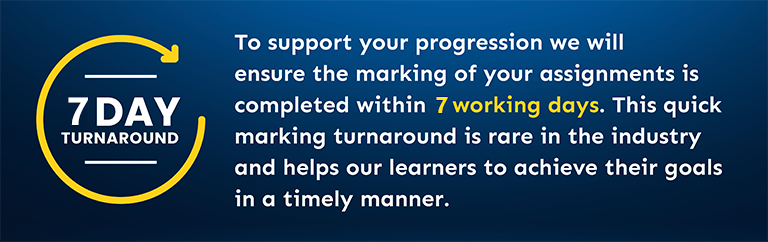
This course is assessed through a portfolio of evidence, allowing you to showcase your understanding of canine behaviour alongside your ability to apply this knowledge in real-world professional settings.
You will also complete a minimum of 30 hours of hands-on practical training with live canines, covering:
- Practical Canine Behaviour Consultations – at least 15 hours
- Canine Behaviour Practice – at least 15 hours
SEG Awards

Upon successful completion of this course, you will have achieved the SEG Awards Level 6 Diploma in Applied Canine Behaviour Management (610/4430/1)
This regulated qualification supports progression towards professional practice as an accredited dog behaviourist.
Skills and Education Group Awards offer qualifications and assessments which are regulated by CCEA, Ofqual and Qualifications Wales. They are driven by delivering a high-quality and trusted service to Centres and learners, so that everyone gets the education they deserve.
Completing this qualification demonstrates advanced professional capability and supports progression into senior canine behaviour roles.
This course is suitable for those aspiring to work as:
- Dog Behaviourist
- Canine Behaviour Consultant
- Advanced dog trainer
- Animal Behaviour Specialist
- Self-employed canine behaviour professional
It also provides a recognised alternative for learners seeking dog behaviourist qualifications in the UK without following a traditional university route.
Frequently Asked Questions
- SALE Savings End Midnight Friday 30th October
- SALE Savings End Midnight Friday 30th October
Level 6 Diploma in Applied Canine Behaviour Management RQF
This Course at a Glance
- Achieve an advanced Level 6 canine behaviour qualification
- A recognised pathway for those seeking dog behaviourist qualifications in the UK
- Degree-level study, equivalent to a canine behaviour degree online
- Designed for experienced animal care professionals
- Blended learning with online study and mandatory practical training
- Portfolio-based assessment with no written exams
About your course
The SEG Awards Level 6 Diploma in Applied Canine Behaviour Management is an advanced, professional qualification designed for learners who want to work at the highest level of canine behaviour practice. This course provides the depth of knowledge and applied skills required of those aiming to become an accredited dog behaviourist in the UK.
Equivalent in academic level to a canine behaviour degree, this Level 6 qualification offers a flexible alternative to traditional university study. You’ll develop an in-depth understanding of canine psychology, learning theory, behaviour development and health, while applying this knowledge to real-world behaviour management and consultation work.
This diploma is ideal for professionals looking to formalise their expertise, enhance their professional credibility, or progress into senior or specialist canine behaviour roles.
Getting started
With learndirect, you’ll study through a flexible blended learning model. The theoretical elements are delivered online, allowing you to study around work and personal commitments, while mandatory practical training ensures you develop the hands-on skills required for professional canine behaviour practice.
You’ll be supported throughout your studies by expert tutors, helping you translate academic theory into effective, ethical behaviour management strategies.
Modules
Unit 1: Research into Canine Behaviour
Upon completion of this unit, you will:
- Be able to understand the implementation of design principles in the collection and analysis of data
- Be able to understand the principles of qualitative data collection
- Know the role of single subject studies and case studies in scientific advancement
- Be able to understand the principles of quantitative data collection
- Be able to perform tests of association
- Be able to understand the use of controls and balance in scientific investigation
Unit 2: Theory of the Canine Mind
Upon completion of this unit, you will:
- Know the process of human and canine learning
- Understand the link between early learning and development
- Know the theory of the canine mind
Unit 3: Nature Versus Nurture
Upon completion of this unit, you will:
- Understand the relationship between genetics and nature versus nurture in canines
- Understand how the behaviour of canines can be influenced by both nature and nurture
- Know the role of socialisation in canine learning processes
- Be able to identify a range of influences on canine behaviour
Unit 4: Development of Canines
Upon completion of this unit, you will:
- Understand a range of behaviours and potential issues associated during puppy development
- Know the behavioural consequences of life stage development on canine behaviour
Unit 5: Canine Communication
Upon completion of this unit, you will:
- Understand the social structures of canines
- Know canine body language cues
- Know the role of canine communication and vocalisation
Unit 6: Canines in Society
Upon completion of this unit, you will:
- Understand canine behaviour issues perceived by society
- Know the legislation related to canine-human bonds
- Know the impact of legislation on public perceptions of canine behaviour
- Know the categories of canine ownership
- Know the concept of anthropomorphism
Unit 7: Canine Behaviour and Health
Upon completion of this unit, you will:
- Know a range of veterinary terminology used to describe canine health and behaviour
- Know signs of ill health that can influence canine behaviour
- Understand the impact of abnormal physiology on the behaviour of canines
- Know the consequences of medical conditions and nutrition on canine behaviour
- Understand the role of psychopharmacological intervention in the treatment of canine behaviour issues
- Know the role of complementary therapies in canine behaviour management
Unit 8: Practical Canine Behaviour Consultations
Upon completion of this unit, you will:
- Understand professional roles and responsibilities of working with and treating canines
- Be able to plan behaviour modification programmes for canines
- Be able to work with canines in a professional capacity
- Be able to use coaching skills in canine behaviour management
- Be able to manage investigations and interventions to safeguard canine welfare
- Understand what it is that makes for a successful canine behaviour consultation
Unit 9: Canine Behaviour Practice
Upon completion of this unit, you will:
- Understand individual learning needs of canines
- Be able to identify the body language and behaviour of canines
- Be able to train canines using force and fear free methods
- Be able to teach resilience in rescue canines
- Be able to implement a tailored training plan for canines
- Be able to review and reflect upon own canine training skills and those of others
Entry Requirements
As this is a degree-level qualification, learners must hold a minimum Level 5 qualification within the Animal Care sector.
This ensures you are academically prepared for advanced study equivalent to a canine behaviour degree online, including research, critical analysis and reflective practice.
Minimum age restriction
You must be aged 18 or over.
Average completion timeframe
Most learners complete the qualification within 12–18 months, depending on study pace and access to practical training opportunities.
Assessment requirements
Assessment is completed through a portfolio of evidence, allowing learners to demonstrate both theoretical understanding and applied professional competence.
You must complete a minimum of 30 hours of practical training with live canines, including:
- Practical Canine Behaviour Consultations – minimum 15 hours
- Canine Behaviour Practice – minimum 15 hours
Placement or practical required
Yes. Learners must have access to suitable environments and live canines to meet the practical assessment requirements.
Certification timeframe
Certification is awarded following internal and external quality assurance of learner portfolio. Average certification timeframe is six months.
Course fees
All course fees, inclusive of all payment plans, must be settled before certification can be ordered.
You will have access to the course for 24 months.

Assessment
This course is assessed through a portfolio of evidence, allowing you to showcase your understanding of canine behaviour alongside your ability to apply this knowledge in real-world professional settings.
You will also complete a minimum of 30 hours of hands-on practical training with live canines, covering:
- Practical Canine Behaviour Consultations – at least 15 hours
- Canine Behaviour Practice – at least 15 hours
Qualifications
SEG Awards
Upon successful completion of this course, you will have achieved the SEG Awards Level 6 Diploma in Applied Canine Behaviour Management (610/4430/1)
This regulated qualification supports progression towards professional practice as an accredited dog behaviourist.
Skills and Education Group Awards offer qualifications and assessments which are regulated by CCEA, Ofqual and Qualifications Wales. They are driven by delivering a high-quality and trusted service to Centres and learners, so that everyone gets the education they deserve.
Completing this qualification demonstrates advanced professional capability and supports progression into senior canine behaviour roles.
This course is suitable for those aspiring to work as:
- Dog Behaviourist
- Canine Behaviour Consultant
- Advanced dog trainer
- Animal Behaviour Specialist
- Self-employed canine behaviour professional
It also provides a recognised alternative for learners seeking dog behaviourist qualifications in the UK without following a traditional university route.
Frequently Asked Questions
86.8%
Available from as little as
40%
Course Fee |
|
|
With
40% off
|
£2,100.00 |

OFFER ENDS
Friday 30th of October
learning
learning hours
Rated by our learners
Rated Excellent by our learners
4.5 out of 5 TrustpilotBased on 32,819 Trustpilot reviews
Read all reviews →Take the next step in your learning journey
Course tips, career advice and exclusive offers, straight to your inbox. No spam, just guidance.
Accredited & trusted
Working with the UK's leading awarding bodies