

Intensive care is an environment that is often thought of as scary, fraught, and full of distress and sorrow. While tragedy can no doubt strike, the nurses and wider healthcare teams in these units are some of the most efficient in the business. Their quick thinking, slick processes and constant patient care brings patients back from the brink and save lives every day.
Intensive care units (ICUs) specifically focus on treating people with critical care needs. They may have suffered a severe accident or have an illness that has become life-threatening. The team in these environments will help anyone with rapidly deteriorating health, whatever the cause.
While this may seem daunting, the work you’ll do as an intensive care nurse is arguably the most rewarding. No other area of nursing positions you to have such a positive effect on people’s lives as frequently. Your hard work and dedication can often be the difference between families losing a loved one and not.
It is also one of the fastest evolving areas in health care, with regular technological and medical advancements allowing you to constantly learn and develop.
Intensive care is no doubt a highly charged place to work. But there are so many reasons to consider a career in this dynamic and challenging area of acute care. Find out more of these below and how you can get started in ICU nursing.
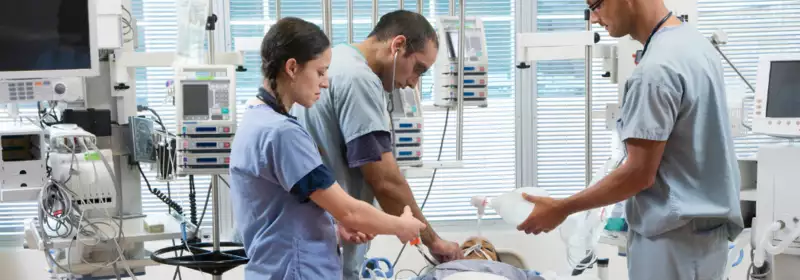
It requires Specialist Knowledge
Intensive care units are specialised hospital departments that cater to severe patient needs. Many of these units only treat certain groups of patients. With ones dedicated to groups like neonatal, surgical, paediatric and adult intensive care.
This means the nurses who work within these wards also need specialist knowledge. So that they can competently cater to the needs of these patient groups.
As an ICU nurse, you’ll develop more specialised medical knowledge that enables you to carry out advanced life-saving techniques. You’ll also have a comprehensive understanding of complex equipment like cardiac monitors, ventilators and intracranial pressure monitoring devices.
With the capacity to care for a diverse range of patient groups, there’s ample room for specialisation in the ICU. Giving you plenty of options when it comes to furthering your career.
More Focussed Patient Care
Often in nursing, your time is split between many patients on the ward. You’ll get to play a part in their care, but your time with any one patient is limited as others also require your attention. This isn’t a bad thing, especially since many nurses treat patients who are low-risk and less dependent.
But as an intensive care nurse, the patients you see are in desperate need of help. They are admitted with severe problems that can cast doubt over their odds of survival.
Thankfully, you’ll dedicate more if not all of your time to that patient. The need for constant monitoring within intensive care units necessitates a one-to-two patient-to-nurse ratio. So you can focus your energy on making sure those patients in your care have everything they need.
Providing concentrated care allows you to have more of a hand in their recovery. Which can deepen the sense of achievement when they do.
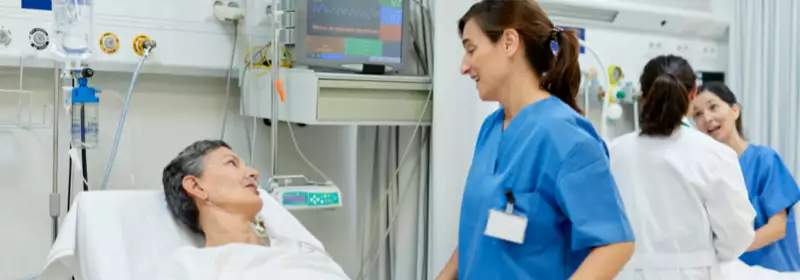
Gain a real Appreciation for Science and the Human Body
While any avenue of nursing exposes you to awe-inspiring moments, you’ll witness amazing patient recoveries regularly in the ICU. You can see people who have almost lost their lives return to good health. Patients who were on the verge of losing the ability to walk regained complete functionality. And premature babies with little chance of survival pull through against the odds.
Mortality rates in the ICU are decreasing and more people are recovering from their conditions. This is thanks to the dedicated help of intensive care unit teams and advancements in medicine and healthcare technology.
In any case, watching people recover from near death makes you appreciate everything you and your team do.
Varied and Challenging Work
With the number of patients admitted for emergency care, no two days or patients will be the same. Each case will have its unique challenges and the needs of each patient will be different to the last.
This means ICU nurses need to be prepared for anything and ready to adapt as new situations unfold. This is perfect for anyone who enjoys being challenged and working in high-energy environments.
As an intensive care nurse, you’ll need to be ready to think on your feet. And you’ll have plenty of opportunities to use your critical thinking skills to keep situations calm and under control.

Get Started with an Access to HE Diploma
If becoming an intensive care nurse appeals to you, you’ll have to complete a number of steps before getting started.
Any specialism of nursing first requires you to become a registered nurse. As such, you’ll need to study an approved child, adult, mental health or learning disability nursing degree at university.
These have to be approved by the Nursing and Midwifery Council in order for you to receive full registration. Once registered, you can complete a placement in the ICU or a similar high-dependency setting to gain experience.
Positions are also offered to graduates that provide preceptorships or supernumerary introductions to the intensive care unit. So, you can become familiar with working in this high stake environment with professional support and guidance.
Before you can start your degree, you first need to meet the entry requirements for your course. A combination of GCSEs and A Levels was the requirement previously. But now there are more courses you can take that prepare you for nursing at university.
Traditional requirements were:
- 5 GCSEs at grades 4 (C) or above which includes Maths, English and sometimes Biology. Now you can study Functional Skills courses in place of certain GCSEs.
- 2+ A Levels in subjects relevant to nursing. Now Access to Higher Education Diplomas and another level 3 qualifications can be studied in their place.
Access to Higher Education Diploma (Nursing), for instance, covers essential topics for all nursing degrees. Providing a highly targeted education that prepares you effectively for nursing at the university level. It also helps you prepare for degree-level study in case you’ve been out of education for some time.
You’ll learn all about approaches to health, the human muscular-skeletal system plus social factors in health and social care. These and many other modules will help you hit the ground running in your nursing degree.
Studied online at your pace, students on average complete these courses within 9 months. So you can apply to university within a year and reduce the time it takes you to get qualified.
learndirect is the leading UK distance learning provider, with hundreds of online courses to help you reach your career goals.
Take the first step towards your career in ICU nursing by studying our Access to HE Diploma (Nursing). Click the link below for more information.