
The nursing sector is full of essential, life-changing roles, with one involving the care of premature or sick newborn babies, known as a Neonatal Nurse. So, what is a Neonatal Nurse? It is a role that involves providing round-the-clock care to babies that are struggling with life-threatening conditions. As well as being able to prioritise effectively, you will need to empathise and support parents during an emotional time, so a personable nature is key. Continue reading to discover how to become a Neonatal Nurse.

 What is a Neonatal Nurse?
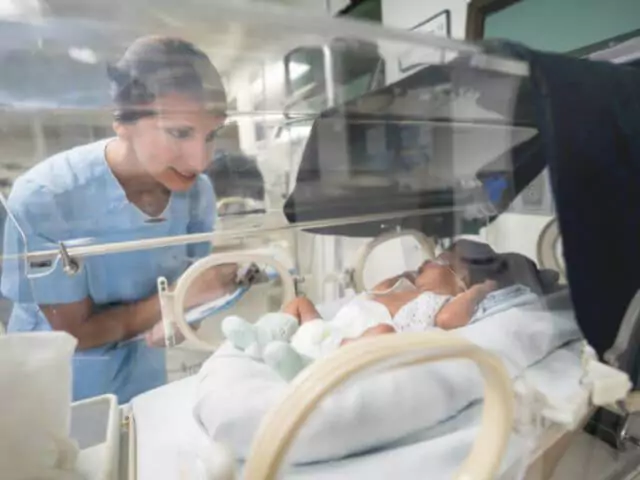
When it comes to the role of Neonatal Nurse professionals, the main purpose is to care for newborn babies that are experiencing difficulties, such as respiratory problems or nutritional issues. These are the two conditions that can affect premature babies, and it is the responsibility of a Neonatal Nurse to care for and support these newborns, which are generally in the first 4 weeks of their lives.
Role of a Neonatal Nurse
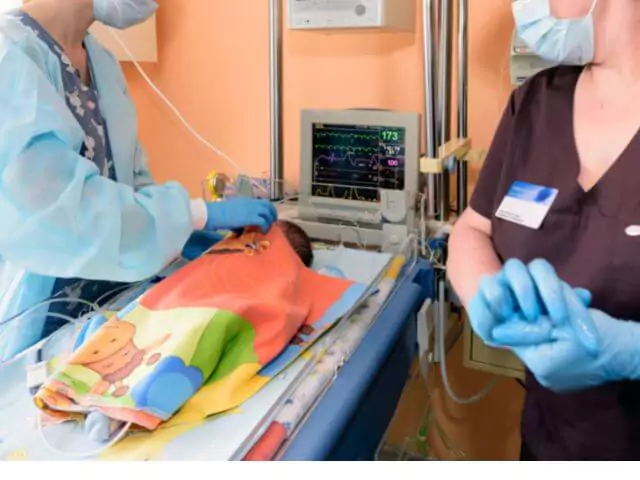
If you’re wondering how to become a Neonatal Nurse, then it is important to understand the roles and responsibilities of the position. As mentioned, premature and unwell babies require 24-hour care in acute hospitals, and Neonatal Nurses are the ones who are by their side during their time in either intensive care, special care or high-dependency baby units.
There is a range of tasks involved in the job, including:
- Managing a baby’s fluids
- Checking medications and preparing them
- Documenting the care a baby receives and recording observations
- Reacting to emergency situations, such as basic resuscitation
 Neonatal Nurse Qualifications
To become a Neonatal Nurse, you need to be qualified and registered as an Adult Nurse, a Midwife, or a Child Nurse. Once you have achieved this, you can apply to work as a Neonatal Nurse. There are various criteria that you may have to meet, such as experience in handling bereavement.
After gaining six months of experience, you will then move on to professional development, in which you will likely undertake some training related to certain areas of neonatal nursing. If you are in the early stages of your career and wondering how to become a Neonatal Nurse, then you need to get yourself in a position to go to university to become an Adult Nurse, Midwife, or Child Nurse.
To achieve this, you will need qualifications that meet university entry requirements. For those of you who are wondering how to become a Neonatal Nurse but don’t have the A-Levels required, an Access to Higher Education Diploma is the ideal route.
Here at learndirect, we provide an online Access to Higher Education Diploma (Nursing) that is equivalent to A-Levels and is widely accepted by universities across the UK. As well as having the freedom to learn online from the comfort of your own home, you will explore topics that will get you prepared for a nursing degree, including:
- Health and well-being
- The history of the NHS
- Human nutrition and the digestive system
- Introduction to psychology
- Human immunity
- Cell Biology
- The human muscular system and more
This knowledge is the perfect foundation to propel you on to degree-level study. What’s more, you won’t have any exams to do! Instead, you will have a series of assignments based on the modules learned, and you’ll be given an Individual Learning Plan that outlines the submission deadlines, helping you stay on track. Not only that, but you will get support from a team of experienced tutors. This is the perfect route for anyone wondering how to become a Neonatal Nurse without A-Levels.
Our Access to HE Diploma (Nursing) is perfect for anyone who is keen to study a degree to become an Adult Nurse or Child Nurse, but if you want to become a Neonatal Nurse via the midwifery route, then we also have an Access to Higher Education Diploma (Midwifery) that you may want to consider.
 How Long Does it Take to Become a Neonatal Nurse?
One of the main elements that people think of when considering how to become a Neonatal Nurse is the length of time it takes to achieve it. As mentioned, a degree is required for you to work as a qualified Nurse and eventually progress into the role of Neonatal Nurse. At the beginning of your journey, it’s possible to complete your Access to Higher Education Diploma within 12 months. Once you get on to a degree, if you opt for full-time study, you will learn for 3 to 4 years, while the part-time study will extend it.
Once you have become a registered Nurse in your chosen specialism, you will then have to record six months of experience before undertaking training for a neonatal nursing position.
Can I Become a Neonatal Nurse Without a Degree?
Many people wonder whether it’s possible to work as a Neonatal Nurse without first obtaining a degree, but it isn’t possible to work as a registered Nurse without studying at the degree level. However, there are alternatives to the standard university degree course. In fact, when considering how to become a Neonatal Nurse, you could go down the flexible route of studying a Registered Nurse Degree Apprenticeship (RNDA).
This is a programme that is undertaken when working. You will need to apply for an RNDA and when accepted, your employer will need to approve a schedule that allows you to study at university part-time. During your studies, you will undergo training in a variety of placements, including hospitals, GP practices, mental health facilities, and the homes of people.
In most cases, it will take four years to complete an RNDA, but it could be done in two years if you achieve Accreditation of Prior Experience and Learning (APEL), which takes into account any relevant previous experience or qualifications.
While an RNDA is an alternative option to going to university, you could also enter the industry by becoming a Nursing Associate. You won’t be a registered Nurse, but by working alongside care support workers and registered Nurses, you will have an opportunity to undergo training to become fully qualified.
 Career Opportunities for Neonatal Nurses
Once you know how to become a Neonatal Nurse and you achieve it, your career doesn’t have to stop there! In fact, there is room for progression. With the skills you have developed in this position, you could move into numerous areas, including those outlined below:
Palliative Care
Caring for premature and sick babies involves some difficult conversations with parents and families that are going through an emotionally difficult time. Having the characteristics and skills to deal with bereavement of this nature means that you could move into a role as a Palliative Care Nurse. This role involves caring for people who are nearing the end of their lives, usually due to a terminal illness.
Infection Control
Given the importance of infection control as a Neonatal Nurse, you could move into this area, and become an Infection Control Nurse. This would involve ensuring that all healthcare areas are clear of harmful bacteria, viruses, and other infectious agents.
Management
You know how to become a Neonatal Nurse, but if you are keen to take the next step forward in your career, then pursuing a management position from your role as a Neonatal Nurse may be the logical progression. Nursing is made up of a multidisciplinary team, and you can take on a leadership role that allows you to support and drive a team of Nurses. For example, you may want to consider the following positions:
- Team Leader
- Ward Manager
- Unit Manager
- Charge Nurse
- Matron and more
Consultant
For many, becoming a Nurse Consultant is the pinnacle of their careers. So, if you work as a Neonatal Nurse and want to progress to this level, you will need to undertake further academic study and training to achieve the role. A Nurse Consultant will need to be a specialist in a particular area and will need to demonstrate a high level of competency and experience in their role.
Take Your First Steps to Become a Neonatal Nurse with learndirect
Now you know how to become a Neonatal Nurse, it’s time that you begin your journey. Study our Access to Higher Education Diploma (Nursing) from the comfort of your own home and get one step closer to studying a nursing degree at university. To find out more information about the course, chat to us online, or give us a call on 01202 006 464.

FAQs
What Qualifications Do I Need to be a Neonatal Nurse?
You are required to become a registered Nurse before moving into neonatal care. You must qualify as an Adult Nurse, Child Nurse, or Midwife, and to do that you’ll need to obtain a nursing degree. You can achieve a spot at university with the help of our Access to HE Diploma (Nursing), which is delivered online, so you can study from the comfort of your own home.
Once you have become registered in one of the nursing areas mentioned, you will need to gain six months of relevant experience before moving into professional development training. This will then prepare you for the role of Neonatal Nurse.
Can You Become a Neonatal Nurse Without a Degree?
In short, no. To become a Neonatal Nurse, you must be registered as either an Adult Nurse, Child Nurse, or Midwife. To achieve those roles, you must have a degree. While most go to university to study a degree full-time, you could go down the route of a Registered Nurse Degree Apprenticeship (RNDA), which is a programme that you complete while working. If approved, your employer will enable you to study part-time at university, and you will undergo training on placement, likely in a hospital or GP practice.